
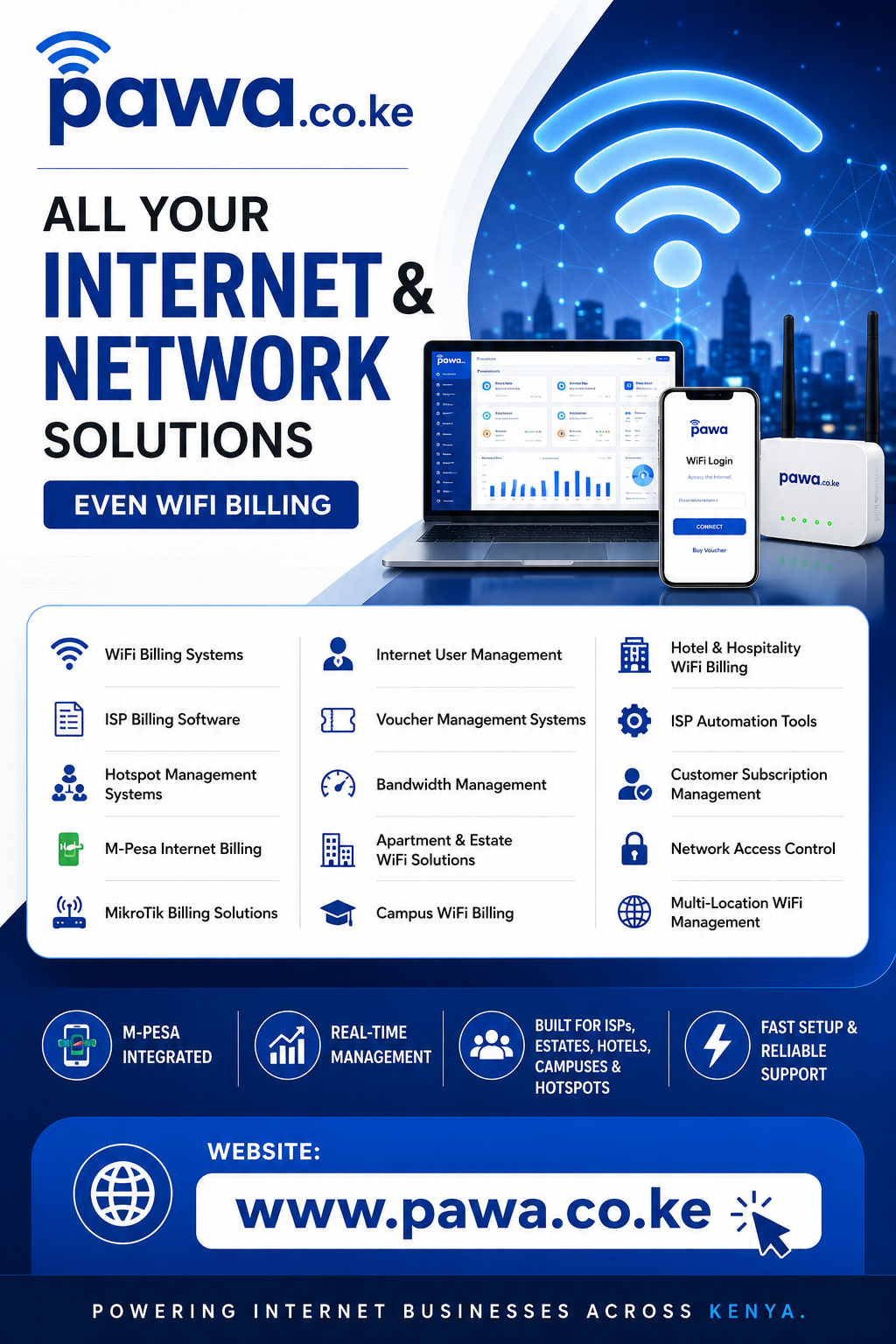
Network Access Management Platform is a critical solution for internet service providers, hotspot operators, apartment WiFi networks, campuses, hotels, and managed network businesses that need to control, monitor, and automate user access across their network infrastructure.
As internet usage continues to grow, providers face increasing challenges in managing subscriber authentication, service authorization, bandwidth allocation, and network security. Manual access control processes are no longer practical for organizations serving hundreds or thousands of users. A Network Access Management Platform provides centralized control that simplifies administration while ensuring reliable and secure service delivery.
Modern internet users expect uninterrupted connectivity and immediate access once their subscriptions are activated. Providers must ensure that only authorized users access network resources while maintaining efficient operational workflows. A Network Access Management Platform enables providers to automate these processes and improve service quality.
For internet providers in Kenya, where demand for affordable broadband and managed WiFi services continues to expand, implementing a Network Access Management Platform has become an important step toward achieving scalable growth and operational efficiency.
Table of Contents
- Understanding Network Access Management Platforms
- Why Network Access Management Platforms Matter
- Core Features of Network Access Management Platforms
- Subscriber Authentication and Authorization
- Bandwidth and Usage Control
- Integration with Billing and Payment Systems
- Network Visibility and Administrative Control
- Challenges of Traditional Access Management Methods
Understanding Network Access Management Platforms
A Network Access Management Platform is a centralized software solution that controls how users access network resources. The platform verifies subscriber credentials, determines access permissions, enforces usage policies, and monitors network activity across connected devices and users.
Internet providers serve diverse customer groups including residential subscribers, businesses, students, hotel guests, and apartment residents. Each group may require different access policies, service packages, and bandwidth allocations.
Without a Network Access Management Platform, managing these requirements manually can quickly become overwhelming. Administrators must constantly monitor accounts, configure access settings, process service changes, and respond to user requests.
The platform automates these activities by applying predefined rules and policies whenever users attempt to access network services.
By centralizing authentication, authorization, and network management functions, a Network Access Management Platform improves efficiency, consistency, and security throughout the organization.
For growing internet businesses, centralized access management is essential for maintaining operational control while scaling subscriber volumes.
Why Network Access Management Platforms Matter
Managing network access effectively is critical for ensuring service quality, protecting network resources, and maintaining customer satisfaction.
A Network Access Management Platform helps providers automate complex access control processes that would otherwise require significant manual effort.
One major benefit is improved subscriber management. The platform automatically determines whether a user should receive access based on subscription status, payment history, service package, and authentication credentials.
Another important advantage is enhanced operational efficiency. Staff members spend less time manually activating accounts, modifying permissions, and troubleshooting access-related issues.
Network Access Management Platform solutions also improve service consistency. Every subscriber receives access according to predefined business rules, reducing the likelihood of configuration errors and support requests.
As subscriber bases expand, providers need systems capable of managing increasing complexity without increasing administrative workloads. A Network Access Management Platform delivers the automation necessary to achieve this goal.
For Kenyan ISPs, hotspot providers, and managed WiFi operators, automation helps maintain competitiveness while supporting long-term business growth.
Core Features of Network Access Management Platforms
A comprehensive Network Access Management Platform includes several features designed to automate and optimize network operations.
Authentication management verifies subscriber identities before granting network access. This ensures that only authorized users can connect to network resources.
Authorization controls determine what services, bandwidth levels, and resources subscribers can access based on their service plans.
Policy management enables administrators to create and enforce usage rules across different subscriber categories.
Bandwidth management helps providers allocate resources efficiently while maintaining service quality for all users.
Billing integration synchronizes account status with payment systems to automate service activation and suspension processes.
Reporting and monitoring tools provide real-time visibility into subscriber activity, network usage, and operational performance.
Together, these capabilities make a Network Access Management Platform a foundational component of modern internet service delivery.
Subscriber Authentication and Authorization
Authentication is one of the most important functions of a Network Access Management Platform.
Every subscriber must be verified before gaining access to network resources. The platform checks credentials against subscriber records and determines whether the user meets the requirements for access.
Once authenticated, authorization rules define what resources the subscriber can use. Different subscription packages may provide varying bandwidth limits, service durations, and usage policies.
A Network Access Management Platform automates these decisions in real time, ensuring consistent service delivery across all users.
The platform can also respond automatically to changes in account status. Subscribers with expired plans or outstanding balances may have access restricted until their accounts are updated.
This automation reduces administrative effort while improving accuracy and service reliability.
For organizations managing large subscriber populations, automated authentication and authorization are essential for maintaining efficient operations.
Bandwidth and Usage Control
Effective bandwidth management is critical for maintaining network performance and customer satisfaction.
A Network Access Management Platform allows providers to allocate bandwidth according to subscription plans and business policies. Users receive appropriate service levels based on the packages they have purchased.
The platform can enforce speed limits, usage restrictions, and quality-of-service policies automatically.
Bandwidth control prevents network congestion by ensuring resources are distributed fairly among subscribers. It also helps providers maintain predictable service quality during periods of high demand.
Usage monitoring capabilities provide visibility into network consumption patterns, enabling administrators to identify heavy users, detect anomalies, and optimize resource allocation.
As internet usage continues to increase, automated bandwidth management becomes increasingly valuable for maintaining stable and reliable network performance.
Integration with Billing and Payment Systems
Billing and access management must work together seamlessly to support efficient service delivery.
A Network Access Management Platform integrates with billing systems to synchronize subscriber status, payment records, and service eligibility.
When subscribers make payments through channels such as M-Pesa, the platform can automatically update account status and restore network access if necessary.
Similarly, expired subscriptions can trigger automated access restrictions according to predefined business rules.
This integration eliminates many manual administrative tasks while improving accuracy and operational efficiency.
For providers managing large subscriber bases, automated billing synchronization helps reduce support requests and accelerate revenue collection.
A Network Access Management Platform ensures that billing and service delivery remain closely aligned throughout the subscriber lifecycle.
Network Visibility and Administrative Control
Maintaining visibility across network operations is essential for effective management.
A Network Access Management Platform provides administrators with centralized dashboards that display subscriber activity, authentication events, bandwidth utilization, and network performance metrics.
Real-time monitoring helps administrators identify issues quickly and take corrective action before they affect customer experiences.
Detailed reporting capabilities support operational analysis, capacity planning, and business decision-making.
Providers can monitor subscriber growth, service adoption, network utilization trends, and revenue performance from a single management interface.
This visibility improves operational control while supporting strategic planning initiatives.
As networks become more complex, centralized administration becomes increasingly important for maintaining efficiency and service quality.
Challenges of Traditional Access Management Methods
Many providers continue to rely on manual procedures and disconnected systems for managing network access.
While these approaches may appear manageable initially, they often become significant obstacles as subscriber volumes increase.
Manual authentication processes can create delays and inconsistencies in service delivery. Staff members must spend valuable time configuring accounts, applying policies, and troubleshooting access issues.
Disconnected systems make it difficult to maintain accurate subscriber records and synchronize billing information with network services.
Manual bandwidth allocation can also result in inefficiencies, network congestion, and inconsistent customer experiences.
Reporting becomes more challenging when operational data is scattered across multiple platforms.
A Network Access Management Platform addresses these limitations by centralizing management functions, automating workflows, improving visibility, and supporting scalable growth.
For ISPs, hotspot providers, apartment WiFi operators, hotels, and campuses, adopting a modern Network Access Management Platform is an essential step toward building efficient and sustainable network operations.
Benefits for Internet Service Providers
A Network Access Management Platform delivers substantial benefits for internet service providers seeking to improve operational efficiency, customer satisfaction, and service reliability.
One of the primary advantages is centralized control. Instead of managing authentication, authorization, and subscriber access across multiple systems, providers can oversee all access-related activities from a single platform.
A Network Access Management Platform also reduces operational costs by automating routine administrative tasks. Subscriber activations, access modifications, account suspensions, and policy enforcement can be performed automatically based on predefined business rules.
Improved service delivery is another key benefit. Subscribers receive faster activations and more consistent experiences because access permissions are applied accurately and immediately.
Revenue protection is enhanced through integration with billing systems. Access privileges can be linked directly to subscription status, ensuring that services are delivered according to active plans and payment compliance.
As subscriber bases continue to grow, a Network Access Management Platform provides the scalability necessary to support business expansion without significantly increasing administrative workloads.
Benefits for Property Owners and Estate Managers
Many residential estates, apartment complexes, and mixed-use developments now provide internet connectivity as an essential service.
Managing access manually can create significant administrative challenges, particularly when dealing with tenant turnover, subscription changes, and payment tracking.
A Network Access Management Platform simplifies these responsibilities by automating access control and subscriber management processes.
Property owners can monitor active users, manage service plans, track subscription status, and maintain visibility across the network from a centralized dashboard.
Automated access management reduces the need for manual intervention whenever residents move in, move out, upgrade plans, or renew subscriptions.
The platform also improves accountability by maintaining accurate records of subscriber activity and service usage.
For estate managers in Kenya, a Network Access Management Platform provides the tools necessary to deliver reliable internet services while minimizing administrative complexity.
Benefits for Subscribers
Subscribers benefit significantly from the automation and convenience provided by a Network Access Management Platform.
One of the most noticeable improvements is faster service activation. New customers can gain access to internet services shortly after registration and payment verification.
The platform also provides more reliable service experiences because access policies are applied consistently across all users.
Subscribers can enjoy greater transparency through customer portals that provide visibility into account status, subscription information, payment history, and service details.
Automated payment integration supports quicker account updates and reduces delays associated with manual verification processes.
A Network Access Management Platform also helps improve service quality by ensuring fair bandwidth allocation and consistent policy enforcement.
The result is a smoother, more dependable internet experience that enhances customer satisfaction and retention.
Improving Efficiency Through Automation
Automation is one of the most valuable capabilities offered by a Network Access Management Platform.
Traditional access management processes often require extensive manual effort. Administrators may need to activate users individually, modify permissions, update records, and monitor account status continuously.
A Network Access Management Platform automates these activities, reducing administrative burdens while improving operational accuracy.
Subscriber authentication, service activation, bandwidth assignment, access restrictions, and policy enforcement can all be executed automatically based on predefined criteria.
Billing integration further improves efficiency by synchronizing account status with payment records. Subscribers who renew services can regain access automatically, while expired accounts can be managed according to business rules.
Automated notifications can inform subscribers about account status, renewals, payments, and service changes without requiring staff intervention.
For growing internet providers, automation is essential for maintaining operational excellence while controlling costs.
Compliance, Security, and Risk Management
Network security and regulatory compliance are critical priorities for internet providers.
A Network Access Management Platform supports these objectives by implementing structured authentication and authorization controls that protect network resources from unauthorized access.
Role-based permissions help ensure that administrative functions are accessible only to authorized personnel. This reduces the risk of accidental changes and strengthens operational security.
Audit logs provide detailed records of user activities and administrative actions, supporting accountability and compliance requirements.
The platform can also help providers maintain accurate subscriber records and service histories, which are valuable for operational reviews and reporting purposes.
Automated policy enforcement reduces the likelihood of human error while ensuring consistent compliance with organizational standards.
As cyber threats become more sophisticated, a Network Access Management Platform plays an increasingly important role in protecting both providers and subscribers.
Why Pawa Is the Ideal Solution
Pawa provides a powerful Network Access Management Platform designed specifically for ISPs, hotspot providers, apartment WiFi operators, campus networks, hotels, and managed internet businesses.
The platform combines subscriber authentication, access control, billing automation, M-Pesa integration, reporting, and network management into a unified solution.
Pawa enables providers to automate subscriber onboarding, service activation, bandwidth allocation, and account administration through centralized workflows.
Its integration with MikroTik infrastructure simplifies network management while improving operational efficiency and service reliability.
The platform also supports automated payment processing, allowing providers to synchronize billing status with network access in real time.
Comprehensive dashboards provide visibility into subscriber activity, account status, revenue performance, and operational metrics.
For organizations seeking a scalable and reliable Network Access Management Platform in Kenya, Pawa offers the tools needed to streamline operations, improve customer experiences, and support long-term growth.
Future Trends
The future of Network Access Management Platform technology will be driven by automation, cloud adoption, advanced analytics, and intelligent network management.
Artificial intelligence will increasingly assist providers by identifying usage patterns, predicting service issues, and automating operational decisions.
Cloud-based platforms will offer greater scalability and accessibility, enabling providers to manage networks from virtually any location.
Self-service capabilities will continue to expand, allowing subscribers to manage accounts, renew subscriptions, and update service preferences independently.
Advanced analytics will provide deeper visibility into subscriber behavior, network utilization, and revenue performance.
Security capabilities will also evolve as providers seek stronger protection against unauthorized access and emerging cyber threats.
As digital connectivity continues to expand throughout Kenya and beyond, Network Access Management Platform solutions will remain essential for supporting efficient and secure internet services.
Getting Started
Organizations considering a Network Access Management Platform should begin by assessing their subscriber management requirements, network infrastructure, authentication methods, and billing processes.
Important evaluation criteria include automation capabilities, scalability, reporting features, security controls, payment integration options, and compatibility with existing network equipment.
Providers should select solutions that support both current operational needs and future growth objectives.
Implementation typically involves configuring service plans, integrating authentication systems, connecting billing platforms, and migrating subscriber data.
Proper staff training and workflow planning help maximize the value of the platform while ensuring a smooth transition.
With the right Network Access Management Platform in place, organizations can improve operational efficiency, strengthen network security, and deliver better subscriber experiences.